

How Does Adaptive Driving Beam Work?
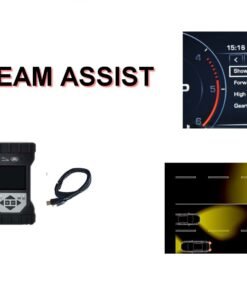
The genius of ADB is that it allows you to drive with your high beams on all the time. When the system detects an oncoming vehicle or a vehicle ahead of you, it uses Pixel technology to dim tiny, precise segments of the light beam. This creates a “shadow” around other cars, preventing them from being dazzled, while the rest of the road remains brightly illuminated.
In short: You get the full benefit of high-beam visibility without ever having to switch back to low beams manually.
Working with the Adaptive Front Lighting System (AFS)
ADB often works alongside another feature called the Adaptive Front Lighting System (AFS). While ADB manages the high beams, AFS intelligently adjusts your standard low (dipped) beams based on your driving conditions:
- City Mode: Widens the beam to better see pedestrians and intersections at lower speeds.
- Highway Mode: Raises and extends the beam for better long-range visibility at high speeds.
- Country Mode: Provides a standard beam pattern for typical rural roads.
- Adverse Weather Mode: Widens the beam with a less reflective pattern to cut down on glare in rain, snow, or fog.
Together, Adaptive Driving Beam and AFS create an intelligent lighting system that actively helps you see more and react faster in the dark.
Note: Regulations previously limited the availability of ADB in the US, but recent changes have paved the way for this technology to become more accessible.